
Crawlspace Dehumidifier Installation and Moisture Control
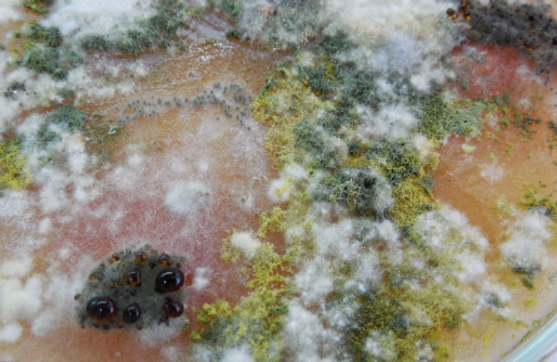
High humidity in a crawlspace can contribute to mold growth, musty odors, condensation, damaged insulation, and deterioration of wooden structural materials. A properly selected crawlspace dehumidifier can help maintain more stable humidity levels and support long term moisture control.
Atlantic Corp provides professional crawlspace dehumidifier installation for homeowners and property owners throughout Fuquay Varina, Raleigh, Cary, Apex, Holly Springs, Angier, Lillington, Wake County, Harnett County, Johnston County, Chatham County, Cumberland County, and surrounding areas.
Since 2005, our certified professionals have helped clients identify the actual source of moisture before recommending repairs. We do not assume that every crawlspace needs a dehumidifier, mold remediation, or a complete encapsulation system. We inspect the entire area, document our findings, and recommend only what is necessary.
Why Crawlspace Humidity Matters
Crawlspaces are naturally vulnerable to moisture. Water vapor can rise from exposed soil, enter through foundation walls, collect after heavy rain, or develop because of plumbing leaks, condensation, poor grading, or inadequate drainage.
When humidity remains elevated, crawlspace materials may absorb moisture from the surrounding air. Over time, this can create conditions that support mold growth, wood deterioration, pest activity, and unpleasant odors.
A crawlspace dehumidifier removes excess moisture from the air and helps maintain a more controlled environment beneath the home. However, a dehumidifier should be part of a complete moisture management plan rather than used to cover up an unresolved water intrusion problem.
What Is an Acceptable Crawlspace Humidity Level?
Humidity levels can fluctuate based on weather, ventilation, drainage, and the condition of the crawlspace. In many situations, keeping relative humidity below approximately 60 percent can help reduce conditions that support mold growth.
The correct goal depends on the property, seasonal conditions, and whether the crawlspace is vented, sealed, or encapsulated. Atlantic Corp evaluates moisture readings throughout the crawlspace before recommending equipment or repairs.
How Dehumidifiers Support Mold Remediation
Mold remediation removes existing contamination, but remediation alone does not correct the moisture condition that allowed mold to grow.
If high humidity remains after mold removal, mold may return on wooden framing, insulation, ductwork, stored belongings, or other organic materials. Moisture control is therefore an essential part of a responsible mold remediation plan.
Removing Mold Is Only One Part of the Solution
Atlantic Corp begins by identifying why mold developed.
Possible causes may include:
• Elevated crawlspace humidity
• Ground moisture
• Standing water
• Plumbing leaks
• HVAC condensation
• Poor exterior grading
• Foundation drainage problems
• Open crawlspace vents
• Damaged or missing vapor barriers
• Improperly sized dehumidification equipment
Once the moisture source is understood, we can determine whether mold remediation, drainage improvements, vapor barrier installation, crawlspace sealing, encapsulation, or dehumidification should be included in the solution.
Dehumidifiers Help Protect Remediated Areas
After professional mold remediation, a crawlspace dehumidifier may help maintain the improved conditions by removing excess moisture from the air.
This can help:
• Reduce the likelihood of recurring mold growth
• Control musty odors
• Limit condensation on ductwork and pipes
• Protect wooden floor systems
• Improve the performance of other moisture control measures
• Support healthier indoor air quality
A dehumidifier cannot guarantee that mold will never return. Long term results depend on correcting water intrusion, maintaining equipment, and periodically inspecting the crawlspace.
Signs Your Crawlspace May Need a Dehumidifier
Musty Odors Inside the Home
Air naturally moves from the crawlspace into the occupied portions of a home. When the crawlspace smells damp or musty, those odors may become noticeable in living areas.
Condensation on Ductwork or Pipes
Water droplets on HVAC ducts, plumbing lines, or other surfaces may indicate that warm, humid air is contacting cooler materials.
Visible Mold Growth
Mold on floor joists, subflooring, insulation, or other crawlspace materials is a sign that moisture conditions should be evaluated.
Sagging or Damp Insulation
Insulation may absorb moisture, become heavy, lose effectiveness, or fall from the floor system when crawlspace humidity remains elevated.
Soft Floors or Wood Deterioration
High wood moisture content may contribute to decay, damaged subflooring, weakened floor joists, or other structural concerns.
What If I Already Have a Dehumidifer?
A dehumidifier that runs continuously without reaching the desired humidity level may be undersized, improperly installed, poorly maintained, or attempting to manage an unresolved water problem.
Our Vapor Barrier Installation Process
Comprehensive Inspection
Every project begins with a detailed inspection.
Moisture Evaluation
We identify where moisture is entering and determine whether additional repairs are necessary.
Preparation
The crawlspace is cleaned and prepared before installation.
Professional Installation
Heavy duty vapor barrier material is installed with properly sealed seams and secure attachment methods.
Why Homeowners Choose Atlantic Corp
Atlantic Corp has served homeowners throughout Central North Carolina since 2005.
Our team holds certifications through:
-
National Air Duct Cleaners Association
-
National Association of Mold Professionals
-
Certified Mold Inspector
-
Certified Mold Remediator
-
Indoor Environmental Professional
-
Institute of Inspection Cleaning and Restoration Certification
We also carry specialized environmental insurance for additional homeowner protection.
Our philosophy is simple.
We are not the cheapest, or the most expensive, but we are the best.
Frequently Asked Questions
Does Every Crawlspace Need a Dehumidifier?
No. A dehumidifier is helpful only when it addresses the conditions present in the crawlspace.
What Is Crawlspace Encapsulation?
Crawlspace encapsulation generally involves covering the floor and foundation walls with a durable moisture barrier, sealing exterior vents and penetrations, and creating a more controlled environment beneath the home.
A dehumidifier may then be used to manage the moisture that remains in the air.
Can a Dehumidifier Work Without Encapsulation?
In some crawlspaces, a dehumidifier may provide benefits without complete encapsulation. However, the equipment may operate less efficiently when outdoor humidity continues entering through vents or when exposed soil releases moisture into the space.
A professional inspection can determine whether the crawlspace needs a vapor barrier, sealing, drainage improvements, encapsulation, or another solution before a dehumidifier is installed.
Will a Dehumidifier Kill Mold?
No. A dehumidifier does not remove or kill established mold growth. It reduces moisture in the air, which can help limit the conditions that allow mold to grow. Existing mold should be evaluated and remediated according to the condition of the property.
Do I Need Mold Remediation Before Installing a Dehumidifier?
It depends on whether mold is present and how extensive the contamination is. A crawlspace inspection can determine whether cleaning, removal, containment, or other remediation measures are necessary.
What Humidity Should My Crawlspace Maintain?
Many crawlspaces benefit from relative humidity levels below approximately 60 percent. The correct setting depends on the home, season, crawlspace design, and moisture conditions.
Can I Use a Regular Household Dehumidifier?
Household units may not be designed for the temperature, moisture load, drainage needs, and continuous operation commonly required in a crawlspace. A professional unit is generally more appropriate for long term crawlspace humidity control.
Schedule Your Free Crawl Space Inspection
Every successful moisture control project begins with understanding the source of the problem. Atlantic Corp provides honest inspections that identify moisture intrusion, evaluate crawlspace conditions, and recommend only the repairs your home truly needs.
Whether you need a vapor barrier, crawlspace repair, encapsulation, or additional moisture control solutions, our experienced team will help you make an informed decision with confidence.