
Crawlspace Mold Removal in Angier, NC
Atlantic Corp provides certified crawlspace mold removal in Angier, NC. We identify moisture sources, remediate crawlspace mold, and provide waterproofing, vapor barriers, dehumidification, and encapsulation solutions throughout Harnett County.
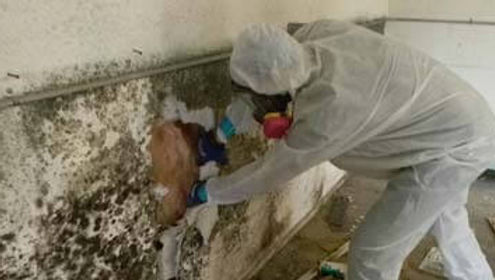
Crawlspace Mold Removal in Angier, NC
Mold growing beneath your home is usually a sign that excessive moisture is present in the crawlspace. Humidity, groundwater, plumbing leaks, HVAC condensation, drainage problems, and exposed soil can create conditions that allow mold to develop on floor joists, subflooring, beams, and other building materials.
Removing the visible mold is only part of the solution.
Atlantic Corp has provided professional crawlspace mold removal and mold remediation in Angier, NC and throughout Harnett County since 2005. Our certified professionals investigate why mold developed, evaluate the extent of the problem, and recommend the appropriate remediation and moisture control measures.
Our goal is to solve the problem correctly the first time. We do not rely on fear based sales tactics, and finding mold does not automatically mean we will recommend complete crawlspace encapsulation.
Every project begins with understanding what is actually happening beneath your home.
Why Does Mold Grow in Crawlspaces?
Mold requires moisture and an appropriate surface on which to grow.
Crawlspaces often contain exposed wood framing and other organic materials that can support mold when moisture levels remain elevated.
Common causes of crawlspace mold include:
High humidity
Exposed soil
Ground moisture
Standing water
Groundwater intrusion
Poor exterior drainage
Plumbing leaks
HVAC condensation
Open foundation vents
Inadequate vapor barriers
Previous water damage
Improper grading
Roof runoff near the foundation
Several moisture sources may exist at the same time, which is why a complete inspection is important before remediation begins.
Why Crawlspace Mold Is Common in Angier
Angier and surrounding Harnett County communities experience warm summers, high humidity, thunderstorms, and periods of substantial rainfall.
Traditional vented crawlspaces can allow humid outside air beneath the home. When that air encounters cooler surfaces, including HVAC ductwork, condensation can develop and increase moisture levels.
Ground moisture can also evaporate through exposed soil or incomplete vapor barriers.
The result can be an environment that remains damp enough to support mold growth even when there is no obvious flooding.
Signs of Crawlspace Mold
Most homeowners do not regularly enter their crawlspace, so mold may develop unnoticed.
Common signs that a crawlspace should be inspected include:
Visible growth on wood framing
Musty odors
Elevated indoor humidity
Condensation on HVAC ductwork
Damp wood
Wet or falling insulation
Standing water
Discolored floor joists
Discolored subflooring
Rust on metal components
Recurring moisture problems
An incomplete or damaged vapor barrier
Musty odors inside the living area can sometimes be one of the first signs that moisture or mold conditions exist beneath the home.
Where Does Crawlspace Mold Grow?
Mold may develop on several surfaces beneath a home when moisture remains elevated.
Areas commonly affected include:
Floor joists
Subflooring
Support beams
Girders
Sill plates
Wood framing
Insulation facing
Foundation materials
Stored materials
Other organic building components
The appropriate remediation method depends on the material, extent of contamination, accessibility, and moisture conditions.
Our Crawlspace Mold Inspection Process
Atlantic Corp approaches crawlspace mold as both a remediation issue and a moisture investigation.
Visual Mold Evaluation
Our certified professionals evaluate accessible crawlspace surfaces for visible mold and conditions that may indicate microbial growth.
Moisture Source Investigation
We investigate potential sources including groundwater, standing water, ground moisture, humidity, plumbing leaks, HVAC condensation, and foundation water intrusion.
Drainage and Grading Evaluation
Exterior conditions can directly influence crawlspace moisture. Grading, gutters, downspouts, roof runoff, and drainage around the foundation may be considered during the inspection.
Vapor Barrier Evaluation
Existing vapor barriers are inspected for inadequate coverage, damage, deterioration, and exposed soil.
Structural Evaluation
Accessible floor joists, beams, girders, sill plates, subflooring, and support components are evaluated for signs of moisture related deterioration.
Plumbing and HVAC Evaluation
Leaks and condensation beneath a home can create persistent moisture. We look for plumbing and HVAC conditions that may need to be addressed separately.
Our Crawlspace Mold Remediation Process
The exact remediation process depends on the size of the affected area, building materials involved, and crawlspace conditions.
Correct the Moisture Source
Long term mold control begins with identifying why the crawlspace is damp.
Before considering remediation complete, the conditions responsible for excessive moisture should be addressed.
Containment When Appropriate
Depending on the scope of the project, professional containment methods may be used to help isolate the work area.
HEPA Air Filtration
HEPA filtration equipment may be used during remediation to help capture airborne particles generated during the cleaning process.
Removal or Cleaning of Affected Materials
Materials that can be appropriately cleaned are treated using professional remediation methods. Materials that cannot be adequately restored may require removal.
HEPA Cleaning
Detailed HEPA vacuuming and cleaning help remove remaining debris and particles from affected areas.
Moisture Control
Following remediation, appropriate moisture control measures are recommended to reduce the conditions that allowed mold to develop.
Crawlspace Mold Removal Versus Mold Treatment
Homeowners may encounter companies offering quick crawlspace mold treatments or sprays.
Applying a product to visible growth does not necessarily address the entire problem.
Professional crawlspace mold remediation considers:
Why the mold developed
How much material is affected
Whether materials can be cleaned
Whether damaged materials require removal
Whether water intrusion is present
Whether humidity remains excessive
Whether the vapor barrier is adequate
Whether drainage needs improvement
Atlantic Corp focuses on the complete environment rather than relying on a single treatment as a substitute for moisture correction.
Does Crawlspace Mold Mean You Need Encapsulation?
No.
Finding mold does not automatically mean your crawlspace needs complete encapsulation.
Some crawlspaces may need:
Mold remediation
A new vapor barrier
Drainage improvements
Plumbing repairs
Crawlspace waterproofing
Targeted sealing
Other properties may benefit from complete crawlspace encapsulation.
Atlantic Corp evaluates the conditions and recommends the solution appropriate for the home rather than selling the same system to every customer.
Crawlspace Mold and Vapor Barriers
Exposed soil can continuously release moisture into the crawlspace.
A properly installed vapor barrier helps reduce this ground moisture and may be an important component of preventing recurring crawlspace moisture problems.
However, a vapor barrier does not correct:
Standing water
Plumbing leaks
Groundwater intrusion
HVAC condensation
Exterior drainage problems
These conditions must be addressed separately.
Crawlspace Mold and Dehumidification
High relative humidity can support conditions favorable to mold growth even after active water problems have been corrected.
A professionally sized crawlspace dehumidifier may be appropriate when humidity remains elevated.
Dehumidification is particularly useful as part of a properly designed sealed or encapsulated crawlspace system.
Atlantic Corp evaluates humidity and moisture conditions before recommending equipment.
Crawlspace Mold and Standing Water
If the crawlspace contains standing water, mold remediation alone will not provide a complete solution.
The source of the water should be identified and corrected.
Depending on the property, recommendations may include:
Crawlspace drainage
Sump pump installation
Exterior drainage improvements
Grading correction
Downspout improvements
Plumbing repairs
Crawlspace waterproofing
Once active water intrusion is controlled, mold remediation and additional moisture management can provide a more effective long term solution.
Can Crawlspace Mold Affect Indoor Air Quality?
The crawlspace and living areas are connected through natural air movement within the building.
Moisture, musty odors, and environmental conditions beneath the home can therefore influence the indoor environment.
Addressing crawlspace mold and moisture can be an important part of an overall indoor air quality strategy.
Atlantic Corp can also evaluate HVAC cleanliness, humidity, water damage, and other conditions that may influence indoor air quality.
Crawlspace Mold During Real Estate Transactions
Crawlspace mold is frequently discovered during home inspections and real estate transactions throughout Central North Carolina.
Atlantic Corp works with:
Home buyers
Home sellers
Real estate agents
Property managers
Home inspectors
Investors
When crawlspace mold is identified, our goal is to clearly explain the extent of visible growth, moisture conditions, and recommended corrective work.
This provides the information needed to make informed decisions rather than assumptions based solely on the presence of discoloration beneath the home.
Mold Testing for Crawlspace Mold
Not every crawlspace mold problem requires laboratory testing.
When visible mold and the contributing moisture conditions are clearly identified, sampling may not always change the recommended remediation approach.
Testing may be appropriate when:
Additional documentation is needed
Mold is suspected but not visible
A real estate transaction requires additional information
Air quality concerns warrant further evaluation
Laboratory identification provides meaningful information
Atlantic Corp recommends mold testing when it provides useful information rather than automatically adding it to every project.
Preventing Crawlspace Mold From Returning
Long term prevention focuses on moisture management.
Depending on the home, this may include:
Vapor barrier installation
Crawlspace sealing
Crawlspace encapsulation
Dehumidifier installation
Crawlspace waterproofing
Drainage improvements
Sump pump installation
Plumbing repairs
HVAC condensation correction
Grading improvements
The correct solution depends on why the crawlspace became damp in the first place.
Why Angier Homeowners Choose Atlantic Corp
Atlantic Corp has served residential and commercial clients throughout Harnett County, Wake County, Johnston County, and surrounding Central North Carolina communities since 2005.
Our technicians hold certifications through nationally recognized organizations including NAMP, NADCA, CMI, CMR, IEP, and IICRC. Atlantic Corp also carries specialized environmental insurance that provides additional protection throughout environmental projects.
Our approach emphasizes:
Certified professionals
Comprehensive mold inspections
Moisture source identification
Professional remediation
Honest recommendations
Homeowner education
Long term moisture control
Transparent explanations
Indoor air quality
Decades of experience
We do not use mold to frighten homeowners into purchasing unnecessary services.
We identify the problem, explain the conditions, and recommend what is actually necessary to correct it.
Crawlspace Mold Removal Throughout Angier and Harnett County
Atlantic Corp provides crawlspace mold removal, mold remediation, mold testing, crawlspace encapsulation, vapor barrier installation, dehumidification, crawlspace waterproofing, and moisture control throughout Angier, Lillington, Buies Creek, Coats, Fuquay Varina, Willow Spring, and surrounding Harnett County and Wake County communities.
Whether mold was discovered during a home inspection or you have been dealing with musty odors and crawlspace humidity for years, our certified professionals can help determine the appropriate solution.
Request a Crawlspace Mold Inspection in Angier
If you see mold beneath your home or suspect that crawlspace moisture is contributing to mold growth, begin with a professional evaluation.
Atlantic Corp provides crawlspace mold inspections designed to identify visible contamination, determine why excessive moisture is present, and explain the appropriate remediation and moisture control options.
Request a mold inspection with Atlantic Corp and receive an honest, educational assessment of your Angier home's crawlspace.
Frequently Asked Questions:
What causes crawlspace mold in Angier, NC?
Crawlspace mold develops when moisture remains elevated long enough to support growth. Common causes include high humidity, ground moisture, standing water, groundwater, plumbing leaks, HVAC condensation, inadequate vapor barriers, and poor drainage.
How do I know if I have mold in my crawlspace?
Visible growth or discoloration, musty odors, elevated humidity, condensation, wet insulation, damp wood, and recurring moisture are common signs that your crawlspace should be inspected.
Does crawlspace mold always need professional removal?
The appropriate response depends on the extent of the growth, materials involved, location, and moisture source. Atlantic Corp evaluates the crawlspace before recommending professional remediation.
Is crawlspace mold removal the same as mold remediation?
Mold removal refers to physically cleaning or removing affected material. Mold remediation is a more comprehensive process that also considers containment, air filtration, moisture correction, and prevention of recurring conditions.
Can you remove mold from crawlspace floor joists?
Many structural wood components can be professionally remediated depending on their condition and the extent of contamination. Atlantic Corp evaluates affected materials before determining the appropriate process.
Does crawlspace mold mean I need encapsulation?
No. Some crawlspaces need targeted moisture control rather than complete encapsulation. Atlantic Corp determines whether vapor barrier installation, dehumidification, drainage, waterproofing, sealing, or encapsulation is appropriate.
Should mold be removed before crawlspace encapsulation?
When mold remediation is necessary, existing contamination should be addressed as part of the overall moisture control plan rather than simply being covered by an encapsulation system.
Will a vapor barrier prevent crawlspace mold?
A vapor barrier helps reduce moisture entering from exposed soil, which can reduce conditions favorable to mold. It cannot correct every moisture source, including plumbing leaks, standing water, or HVAC condensation.
Will a dehumidifier remove crawlspace mold?
No. A dehumidifier manages airborne moisture but does not remove existing mold from structural materials. Mold remediation may be necessary before or alongside humidity control.
Can standing water cause crawlspace mold?
Yes. Standing water can significantly increase crawlspace moisture and humidity. The water source should be identified and corrected as part of the overall remediation plan.
Can crawlspace mold cause musty odors inside my home?
Crawlspace mold and excessive moisture can contribute to musty odors. Because air moves between the crawlspace and living areas, conditions beneath the home can influence the indoor environment.
Do I need mold testing before crawlspace mold removal?
Not always. Testing may not be necessary when visible mold and the moisture source are readily identifiable. Atlantic Corp recommends mold testing when it provides meaningful additional information.
How do you keep crawlspace mold from coming back?
Long term control requires managing moisture. This may involve drainage improvements, vapor barrier installation, crawlspace sealing, waterproofing, dehumidification, plumbing repairs, or encapsulation depending on the source.
How much does crawlspace mold removal cost in Angier, NC?
Cost depends on the size of the affected area, materials involved, accessibility, moisture source, remediation requirements, and any necessary moisture control improvements. Atlantic Corp evaluates the property before recommending a customized solution.
Why choose Atlantic Corp for crawlspace mold removal in Angier?
Atlantic Corp has served Central North Carolina since 2005 and has professionals with certifications through NAMP, CMI, CMR, IEP, IICRC, NADCA, and other recognized organizations. We focus on identifying the moisture source, professionally addressing mold, and recommending only the long term moisture control measures the property actually needs.